Sohar Industries SPC Home

Category

Industry Trends

11 articles

Mastery Over Market Share: Why the Most Profitable Precision Manufacturers Do Less — and Win More

Mastery Over Market Share: Why the Most Profitable Precision Manufacturers Do Less — and Win More

In an era defined by commoditization and relentless margin pressure, a growing cohort of US precision manufacturers is discovering that the path to profitability runs through a narrower door. By abandoning the instinct to diversify and instead committing to deep specialization, these operations are achieving financial results that broad-scope competitors cannot replicate. The strategic logic is counterintuitive — but the numbers are difficult to argue with.
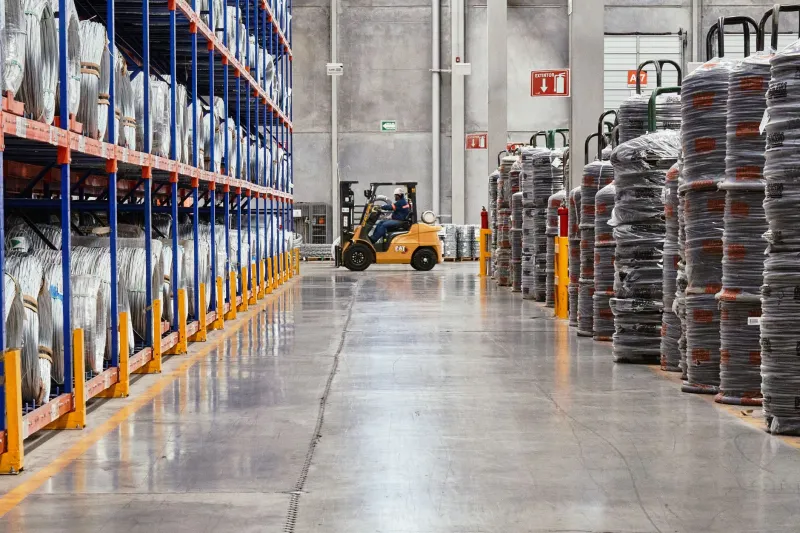

Proximity Is Not a Strategy: The Hard Truths Behind Mexico Nearshoring for US Manufacturers

Proximity Is Not a Strategy: The Hard Truths Behind Mexico Nearshoring for US Manufacturers

As US manufacturers seek alternatives to distant overseas supply chains, nearshoring to Mexico has emerged as an appealing middle ground — but geographic closeness does not automatically translate into operational resilience. This article examines the structural trade-offs that frequently go unaddressed when companies treat border proximity as a substitute for genuine domestic production capability. Understanding the distinction between geographic arbitrage and true reshoring is essential for an

Reshoring Without the Right Workforce Is Just Moving the Problem Closer to Home

Reshoring Without the Right Workforce Is Just Moving the Problem Closer to Home

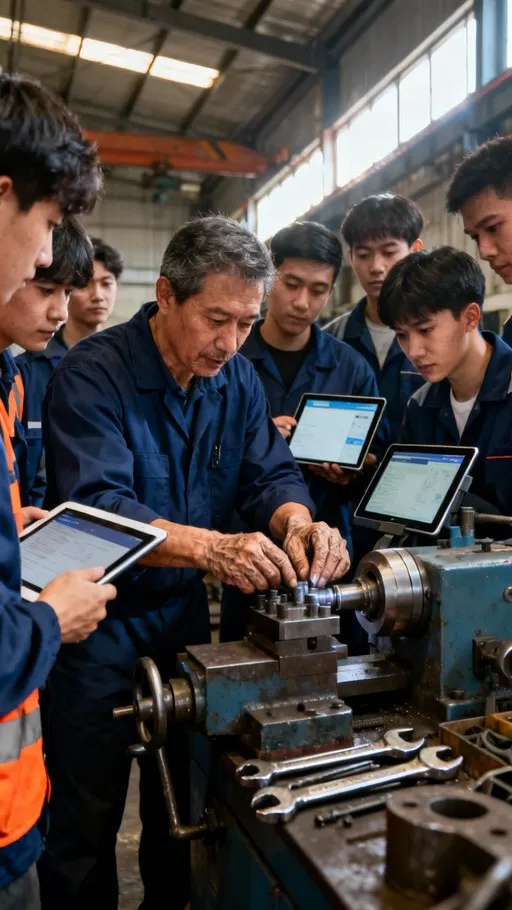
Bringing production back to American soil addresses supply chain geography, but it does nothing to solve the deeper talent equation. As reshoring initiatives accelerate across US manufacturing sectors, the shortage of skilled machinists, toolmakers, and process engineers is emerging as the defining constraint that determines whether domestic production actually delivers on its promise.

Speed Without Flow: Why High-Performance Machines Often Fail to Deliver High-Performance Output

Speed Without Flow: Why High-Performance Machines Often Fail to Deliver High-Performance Output

Investing in faster equipment is one of the most intuitive moves a manufacturer can make — and one of the most frequently disappointing. When bottlenecks, changeover complexity, and material flow inefficiencies remain unaddressed, machine speed becomes an expensive illusion. Understanding your system's true limiting factor is the only reliable path to meaningful throughput gains.

Breaking Free from the Inventory Trap: How US Manufacturers Are Shifting to Demand-Driven Production

Breaking Free from the Inventory Trap: How US Manufacturers Are Shifting to Demand-Driven Production

Traditional batch manufacturing schedules have long forced companies to choose between inventory risk and lead time risk—carrying excess stock to protect responsiveness, or accepting slow delivery to preserve capital. A growing number of US manufacturers are demonstrating that this tradeoff is no longer inevitable. Through scheduling technology, supplier integration, and process standardization, demand-driven production models are delivering measurable capital improvements alongside stronger cus

Building Supply Chains That Bend Without Breaking: A Practical Elasticity Guide for US Manufacturers

Building Supply Chains That Bend Without Breaking: A Practical Elasticity Guide for US Manufacturers

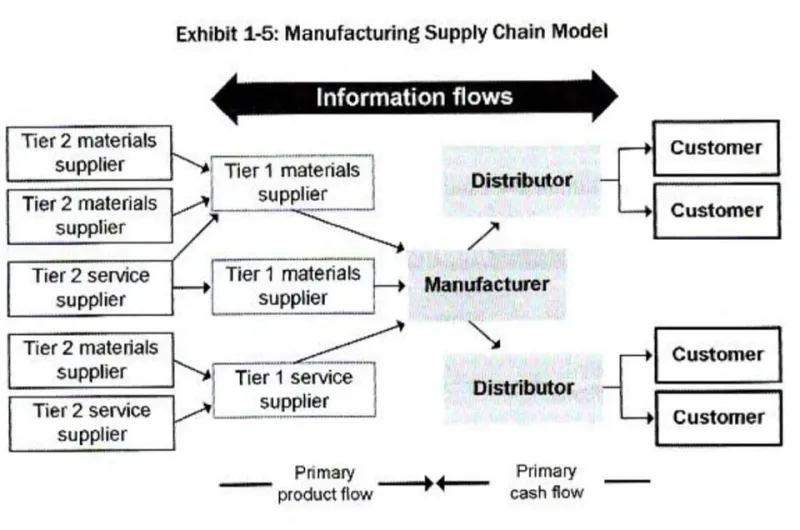
The past several years have exposed a fundamental vulnerability in lean supply chain design: systems optimized for efficiency under stable conditions tend to fail catastrophically when conditions shift. This article outlines how US manufacturers can engineer genuine flexibility into their supply chains — absorbing disruption without reverting to the costly inventory buffers that lean methodology was designed to eliminate. The goal is elasticity, not excess.

The Vanishing Workforce: Protecting Institutional Knowledge Before It Walks Out the Door

The Vanishing Workforce: Protecting Institutional Knowledge Before It Walks Out the Door

American manufacturing is facing a quiet crisis that does not show up on balance sheets until it is too late. As experienced machinists, process engineers, and skilled tradespeople retire in record numbers, the specialized knowledge they carry—accumulated over decades on the shop floor—is leaving with them. The companies that recognize this threat early and build deliberate systems to capture and transfer that expertise will hold a significant operational advantage in the years ahead.

Expedited Orders and the Economics of Urgency: What the True Cost Reveals About Your Supply Chain

Expedited Orders and the Economics of Urgency: What the True Cost Reveals About Your Supply Chain

Rush orders may appear to solve immediate production gaps, but the financial and operational consequences often extend far beyond the invoice. A closer examination of expedited manufacturing requests reveals cascading inefficiencies that erode margins, strain supplier relationships, and compromise long-term production stability. Understanding the full cost structure of urgency is the first step toward smarter procurement strategy.

Designing Around Disruption: How Material Selection Decisions Made Today Protect Production Tomorrow

Designing Around Disruption: How Material Selection Decisions Made Today Protect Production Tomorrow

Global supply chain volatility has elevated material selection from a purely technical decision to a core business strategy for US manufacturers. Choosing the right materials — with substitution pathways, supplier diversification, and long-term sourcing stability built into the design phase — can mean the difference between a facility that absorbs disruption and one that is paralyzed by it. This article examines how forward-thinking manufacturers are embedding supply chain resilience directly in

The Reshoring Reckoning: 7 Strategic Moves US Manufacturers Are Making to Bring Production Back Home

The Reshoring Reckoning: 7 Strategic Moves US Manufacturers Are Making to Bring Production Back Home

After decades of offshoring, a decisive shift is underway as US manufacturers reassess the true costs of overseas production against a backdrop of policy incentives, supply chain vulnerabilities, and rising domestic capabilities. The companies winning this transition are not simply relocating factories — they are rebuilding industrial ecosystems. Here is how the most forward-thinking manufacturers are executing the playbook.